
Mathionix develops solutions that adjust to continuous changes in data and business settings, with a focus on dynamic AI models.
Intelligent AI solutions that adapt to changing data and business settings are provided by Mathionix Technologies, a leader in adaptive AI development. We create systems that constantly improve their performance using sophisticated adaptive learning algorithms, guaranteeing optimal decision-making and process automation. Real-time adaptation to new inputs, market trends, or user behaviors is a feature of these AI models. Businesses can increase operational efficiency, accuracy, and flexibility by incorporating adaptive AI. Our staff creates solutions specifically tailored to each client’s needs, enabling them to maintain an advantage in a changing environment.
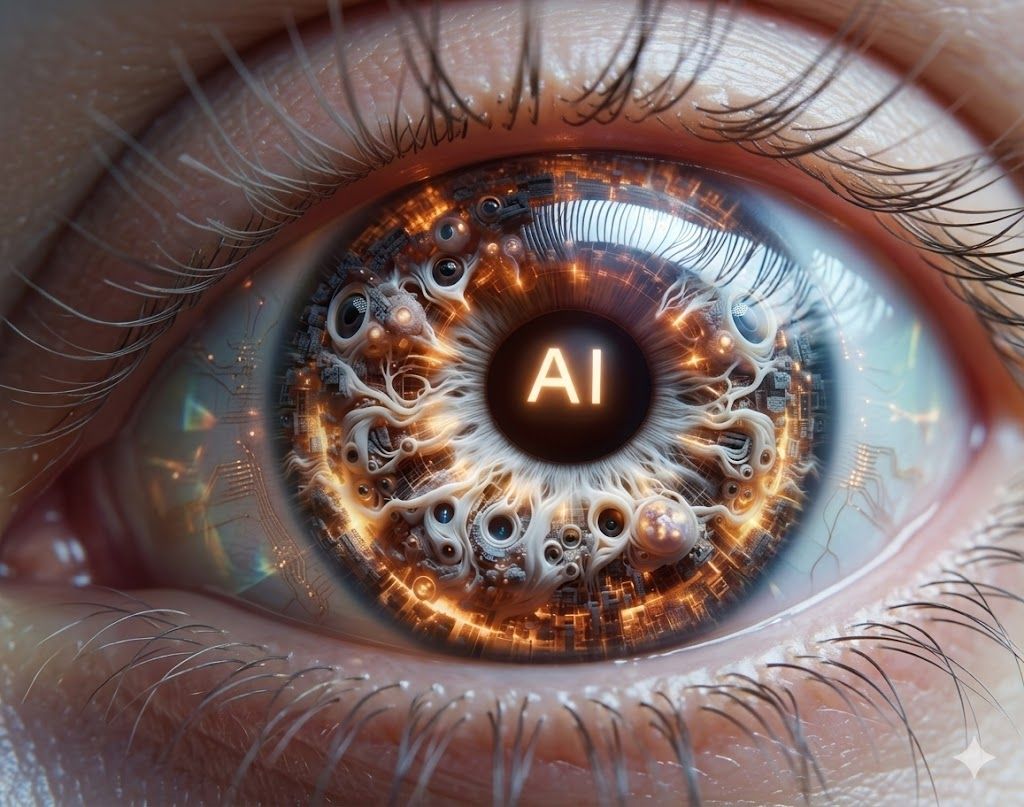
improved solutions require improved methodologies, superior abilities, and error-free execution. Mathionix brings everything to the table to develop cutting-edge adaptive AI business concepts.
Our team includes experienced AI engineers, data scientists, and software architects specializing in adaptive AI development and machine learning solutions. Adaptive AI technologies rely on complex frameworks such as neural networks, reinforcement learning, and real-time analytics systems that allow AI models to continuously adjust their behavior. With expertise across these technologies, Mathionix builds self-learning AI systems capable of improving performance over time.
Adaptive AI projects often require iterative experimentation, data refinement, and continuous model optimization. That is why Mathionix follows agile development methodologies to accelerate innovation while maintaining flexibility. Our development cycles allow teams to test models quickly, evaluate performance, and refine algorithms based on feedback. This iterative approach ensures faster deployment and better long-term system adaptability.
AI systems that operate in production environments must be monitored and maintained continuously. Our 24×7 support team ensures your adaptive AI solutions remain stable, secure, and optimized for performance. From monitoring system health to addressing integration issues and updating models, our experts provide round-the-clock support to keep your AI systems running efficiently.
Delivering complex AI systems requires strong project management and technical discipline. At Mathionix, we follow structured development processes and milestone-based delivery frameworks to ensure projects are completed on schedule. Our proven development methodologies allow us to deliver high-quality adaptive AI solutions without compromising performance, scalability, or security.
Our adaptive AI consulting and strategy services help businesses identify the right use cases, data sources, and AI architecture for intelligent systems. Adaptive AI models continuously learn from new data and adjust decisions as environments change, enabling organizations to maintain accurate insights and faster decision-making.
Adaptive AI systems require continuous monitoring and optimization to maintain accuracy and efficiency. Our team provides ongoing maintenance services, including model retraining, performance monitoring, and system upgrades to ensure your AI solutions evolve alongside your business requirements.
Mathionix ensures smooth integration of adaptive AI models into your existing applications, platforms, and data systems. Our engineers deploy AI solutions that can process real-time data and continuously improve their performance without disrupting your operational workflows.
High-quality data is essential for adaptive AI systems to learn effectively. Mathionix builds robust data pipelines that support real-time data processing, data transformation, and scalable storage, enabling AI models to continuously refine their predictions and deliver reliable insights.
Developing adaptive AI systems requires a structured process that ensures models can learn continuously from new data and operate effectively in dynamic environments.
The process begins by identifying the business problem and defining clear objectives for the AI solution. Our team analyzes workflows, challenges, and opportunities where adaptive AI can improve decision-making and automation.
Once the problem is defined, we collect relevant datasets from various sources. High-quality data is essential because adaptive AI systems rely on continuous data inputs to learn and improve over time.
Before training the model, the collected data is cleaned and structured to remove errors, inconsistencies, and missing values. Proper preprocessing helps improve the accuracy and reliability of machine learning models.
Our engineers then design and train adaptive AI models using machine learning algorithms. These models are built to recognize patterns and continuously adjust their predictions as new data becomes available.
After training, the model is carefully tested to evaluate its performance, accuracy, and reliability. This stage ensures the adaptive AI system can deliver meaningful insights in real-world scenarios.
Once validated, the model is deployed into production environments where it can begin analyzing data and supporting business operations in real time.
Adaptive AI systems require ongoing monitoring to maintain performance. Our team continuously evaluates model behaviour and updates algorithms to ensure the system adapts effectively to new data and changing conditions.
Adaptive AI development refers to the process of creating artificial intelligence systems that can learn continuously from new data and adjust their behavior over time. Unlike traditional AI models that remain static after deployment, adaptive AI systems integrate feedback loops and real-time learning mechanisms that allow them to evolve dynamically.
Traditional AI systems are typically trained on historical datasets and then deployed in a fixed state. Adaptive AI systems, on the other hand, continuously learn from new data and adjust their predictions and behavior automatically. This ability allows adaptive AI models to remain accurate and effective even when environments or user behaviors change.
Adaptive AI improves business performance by continuously learning from new data and adjusting its behavior over time. This allows organizations to make faster decisions, automate workflows, and maintain accurate predictions even when environments or data patterns change.
Developing adaptive AI can be challenging because it requires large volumes of high-quality data, complex algorithms, and continuous monitoring to maintain accuracy. Organizations must also address issues such as system integration, transparency of AI decisions, and potential bias in training data.
© Copyright 2025 Mathionix Technologies Pvt Ltd. All rights reserved.